
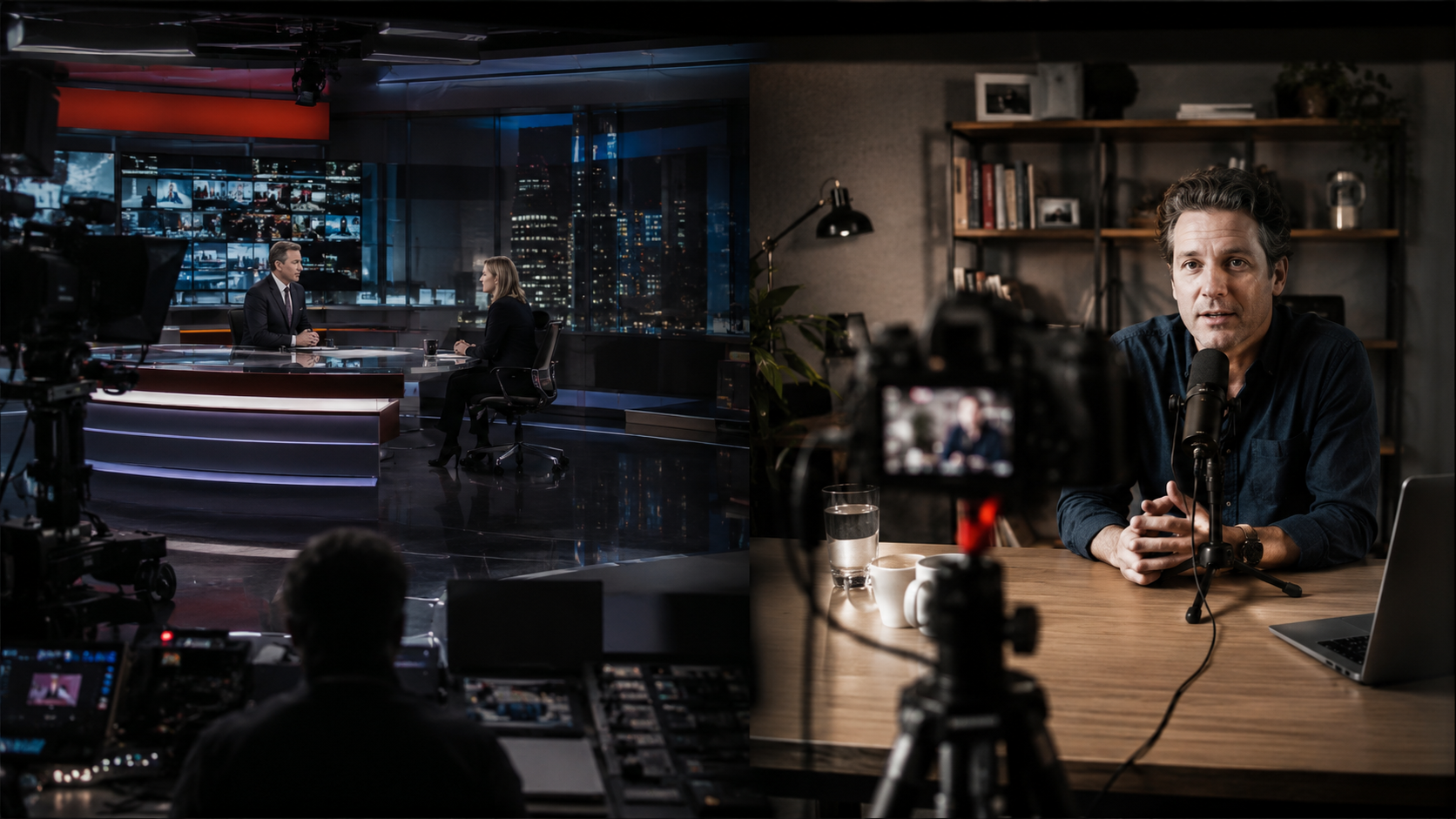
Is TV Dumbing Down Its Advantages
Why Is Television Trying So Hard to Look Cheap?
Posted by Charlie Recksieck
on 2026-06-04
Don't believe in the premise? Watch cable news networks, and you'll see cheaper graphics, user-generated content, lower production value, and more remote Zoom-like interviews.
It's a very strange bit of backwards progress in production and how TV markets itself.
TV Used to Be King
Broadcast television since its inception has been the dominant place in the culture. Even as cable, and then streaming, chipped away at the monoculture, television in general was where the professionals worked and online was where aspiring amateurs posted their little shows.
That's been a little less true lately. In the old days if a standup comic had a blog or video series that was well known and in the zeitgeist, they still would have leapt at the chance if a TV channel wanted to acquire it. Nowadays, if a network or HBO offered Shane Gillis or Nate Bargatze a show, why would they take it? That would be a step-down in money and control.
But I contend that television has given away its advantages over podcasts and YouTube by imitating them.
Examples
Take a good look at the production values when you're watching TV next. Tell me a lot of this is not happening:
* Podcast Aesthetics - It might seem overblown to say TV is chasing the look of YouTube podcasts but look what CNN is doing here with Jake Tapper
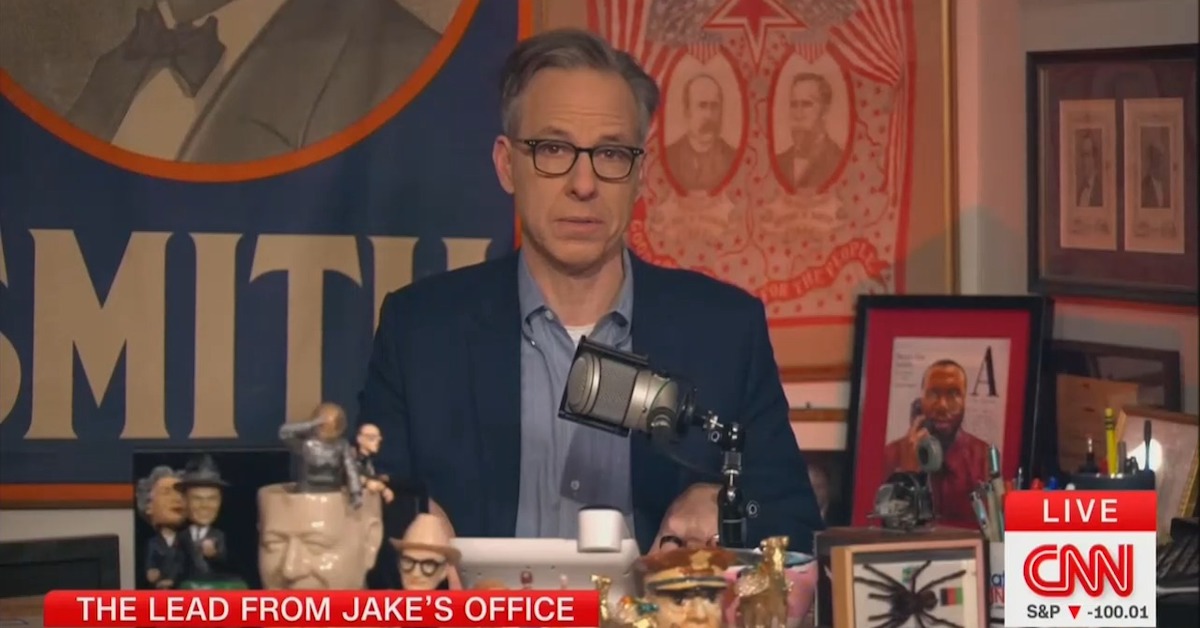
CNN is a multi-million-dollar studio but they're making it look as polished as your brother-in-law’s Home Improvement episode guide podcast.
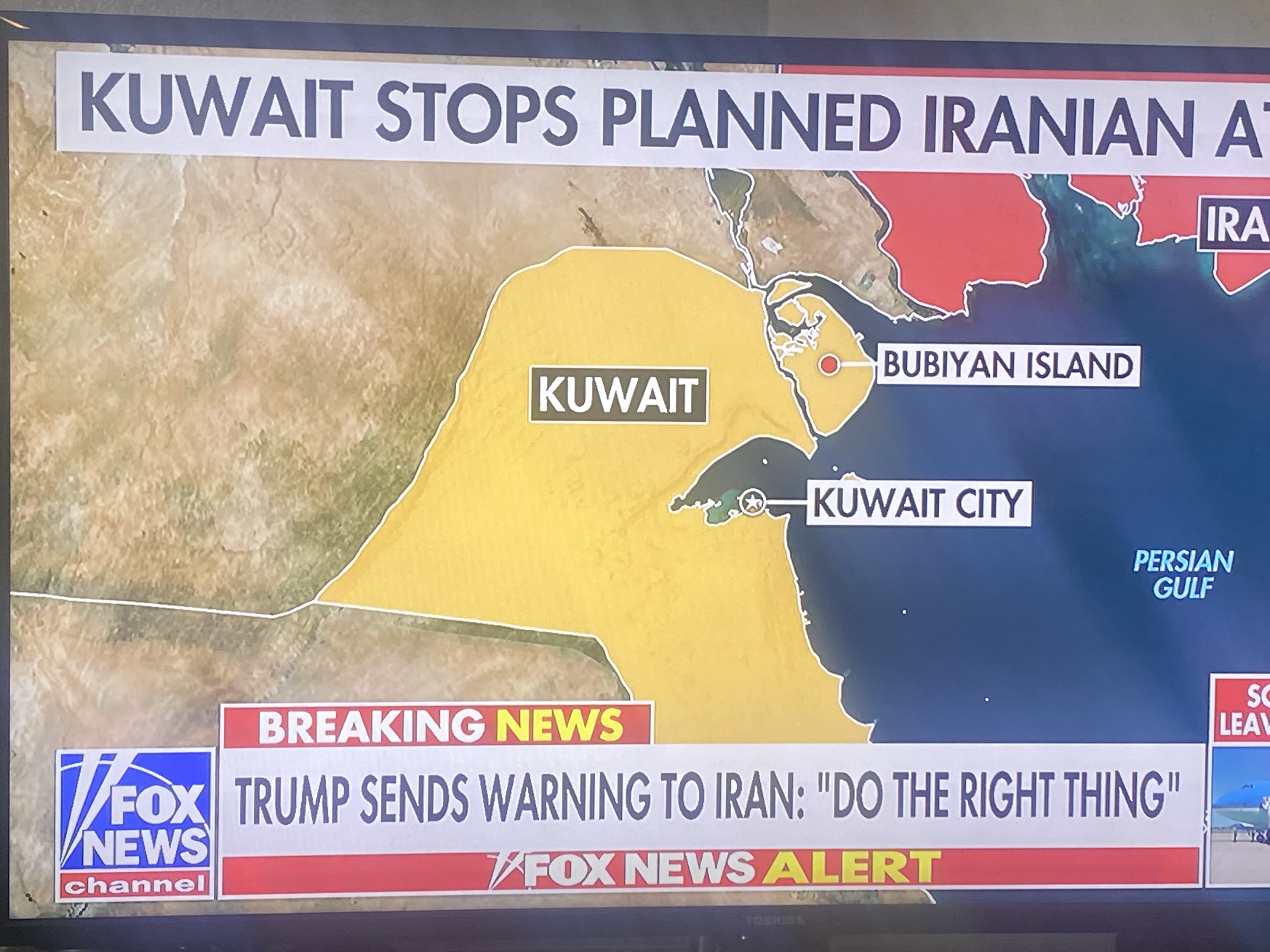
* Cheaper Graphics - Whatever you want to say about Fox News Channel, their graphics were state of the art. Not quite as much anymore. They've simplified their graphics scheme and looking a lot more like more insurgent conservative news channels like OANN or Newsmax.
* User-Generated Content - I don't want to get too deep into the decline of the news business or the state of journalism. But networks seem to be outsourcing the news to the people. Displaying graphics of average citizens' social media posts are standard content on news channels. So is the practice of man-on-the-street interviews being as prevalent, if not more so, than interviews with legitimate experts on a subject.
* Interviews From Home - Every TV talking head has a video setup from a desk in their home. Watch MS Now for any random hour of the day. There will be about 6 guests for discussion topics, at least 5 of which are phoning it in from their house, perhaps in pajamas.
CNN is a multi-million-dollar studio but they're making it look as polished as your brother-in-law’s Home Improvement episode guide podcast.
* Cheaper Graphics - Whatever you want to say about Fox News Channel, their graphics were state of the art. Not quite as much anymore. They've simplified their graphics scheme and looking a lot more like more insurgent conservative news channels like OANN or Newsmax.
* User-Generated Content - I don't want to get too deep into the decline of the news business or the state of journalism. But networks seem to be outsourcing the news to the people. Displaying graphics of average citizens' social media posts are standard content on news channels. So is the practice of man-on-the-street interviews being as prevalent, if not more so, than interviews with legitimate experts on a subject.
* Interviews From Home - Every TV talking head has a video setup from a desk in their home. Watch MS Now for any random hour of the day. There will be about 6 guests for discussion topics, at least 5 of which are phoning it in from their house, perhaps in pajamas.
Television networks are strangely imitating: YouTube, livestreams, podcasts, TikTok creator culture.
Why
* Cheap - For starters, that's the main reason why; it saves money.
Not just in news but all television production the mantra is: do more, for less money.
Production hours for people in film and TV have exploded while pay is going down. That's happening in general.
But add in the increased voice of media company shareholders only demand (higher stock prices), and there seems to be no argument left in favor of delivering a great product if it even costs $5 more.
* Producer/Journalism Ecosystem - If people in the media are in a bubble where they're obsessed by the media, then they are watching podcasts and YouTube videos more than the next person. In their viewing world, they've gotten used to fewer production values. I'm sure executive meetings brought up the "authenticity and immediacy" of creator content, but I refer you back to the first item here: It was cheaper.
* Chasing Podcasts' Tail - Individual major podcasts and YouTube creators now routinely rival or beat cable news audiences. So, what are hapless executives' first moves? Copy them.
* COVID - A strong point of partial explanation is that during the COVID pandemic, TV was forced to air primitive-looking shows and the public tolerated it, even as it continued past the quarantines. Audiences became desensitized to degraded production; as long as they could put on cheaper looking shows and viewers didn't complain or change the channel to something else, mission accomplished.
* Producer/Journalism Ecosystem - If people in the media are in a bubble where they're obsessed by the media, then they are watching podcasts and YouTube videos more than the next person. In their viewing world, they've gotten used to fewer production values. I'm sure executive meetings brought up the "authenticity and immediacy" of creator content, but I refer you back to the first item here: It was cheaper.
* Chasing Podcasts' Tail - Individual major podcasts and YouTube creators now routinely rival or beat cable news audiences. So, what are hapless executives' first moves? Copy them.
* COVID - A strong point of partial explanation is that during the COVID pandemic, TV was forced to air primitive-looking shows and the public tolerated it, even as it continued past the quarantines. Audiences became desensitized to degraded production; as long as they could put on cheaper looking shows and viewers didn't complain or change the channel to something else, mission accomplished.
The Cost of Looking Cheap
I would posit that the networks have lost their way and failed to press their advantage of great production facilities.
Yes, the linear TV audience has been shrinking for a long time. But there still is value there, not as much as before but there is value. Look at the still-high purchase price of legacy media companies in recent mergers; that's the definition of value.
While they still have an industry, they need a reason to exist. If there really is a craving for authenticity, viewers likely see an independent reporter or analyst on YouTube as credible, but Jake Tapper with a desktop microphone on CNN looks like a poser.
