
Murdering a Good Social Media Impulse
Everything Has to Overpromise
Posted by Charlie Recksieck
on 2026-07-16
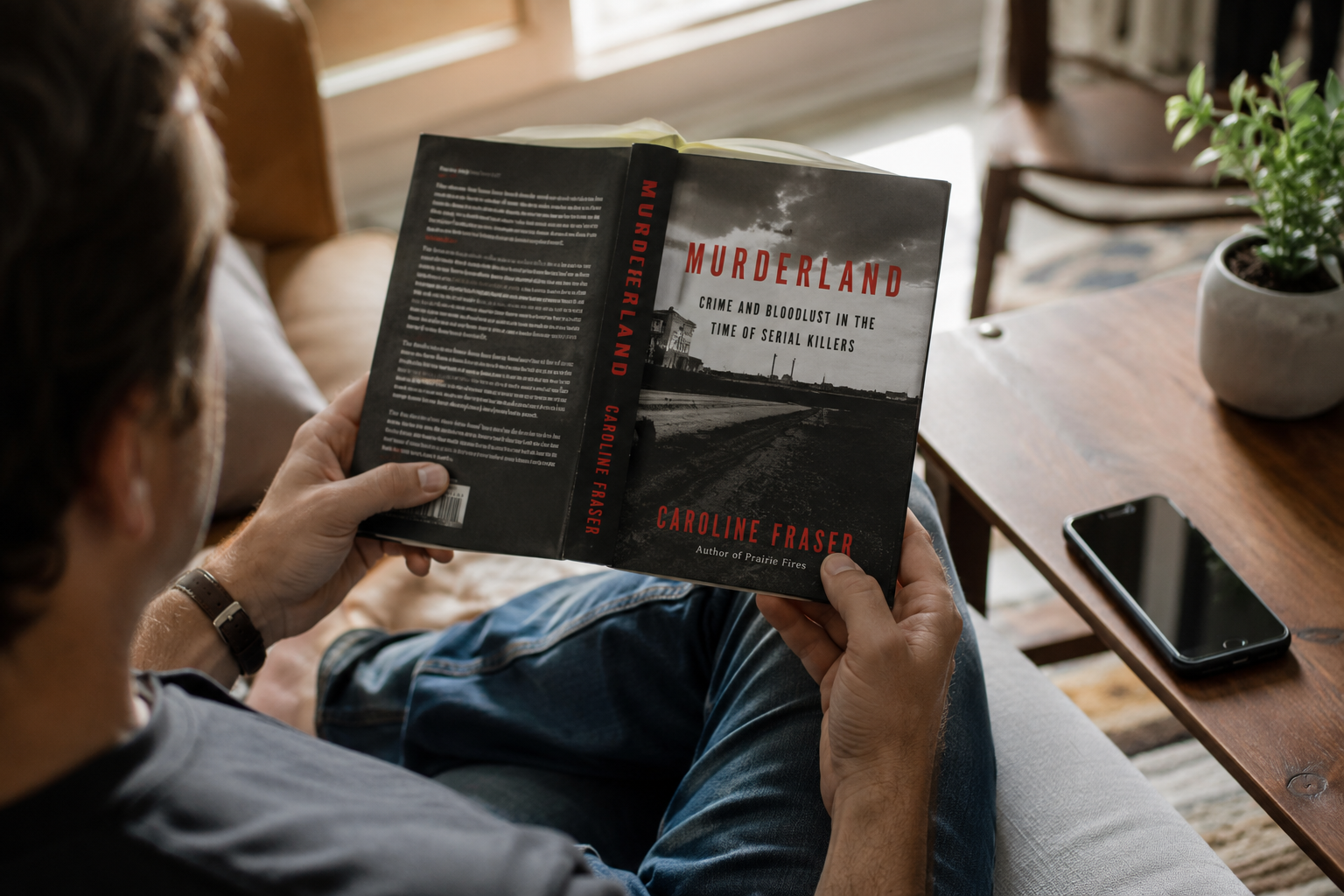
Anyway, I wanted to make a simple social media post about how it's great writing, great Pacific Northwest history, and says a lot about America in the 1970s.
Here's the thing: my Instagram for this tech blog doesn't have much of a following and frankly, I've never put a lot of effort into it. It's not a huge priority.
Reaching For Reach
The thing is, if you're posting on social media, the point is for people to read it. But to do that, you've got to crack the algorithm. You have to motivate Instagram into wanting to show your post.
Social media isn't as simple as: people follow you, when you post they see it and interact with it.
In reality, over 70% of what you see in your social media feed is NOT from accounts that you have chosen to follow. Instead, Instagram's real goal is to keep you on the platform as long as possible. That's it. So, they love videos that tease you into watching a full video. They prefer outrageous headlines or teasers and don't care if the teaser is pure clickbait.
Sensational
It got me thinking about "reach" and I immediately realized Instagram basically punishes moderation or considered ideas - especially if they're expressed succinctly.
The sentiment of "I thought some of you might like this writing" is not a winner in social media. God forbid somebody puts forth a calm assertion or rational argument.
Social platforms don't want to spread that tone unless you turn the book into a public emotional event: "THIS BOOK MESSED ME UP," "I AM UNWELL," etc. Everything has to be over the top and has to overpromise.
As a result, I started wondering how much social media subtly changes not just promotion, but the actual emotional language people use online. Frankly, I don't like it.
Platforms don't reward calm enthusiasm very well - they reward interruption, exaggeration, urgency, and identity signaling.
Social Media as a Tool
Full disclosure: I'm not the true target audience on social platforms. As they expressed so well in the chilling Netflix documentary, The Social Dilemma, I want to be the "customer" (advertiser), not the "product" (habitual scroller).
Even avoiding the pitfalls of spending a lot of time on social media, trying to use it to get my message out there - the effect on the poster can still be corrosive. We're all told that social media is mandatory for discovery, but participating often feels psychologically extractive and creatively deforming. When you can't present an honest message or pitch and have to sensationalize, it turns you into a bit of a bullshit artist, for lack of a better term.
Compare the experience of recommending music/books naturally in older blog/forum/local-scene culture versus today's algorithmic performance culture. Does it seem as gross to you as it does to me?
My Obligatory Disclaimer
I never like to be "old man yelling at clouds" about modern trends.
So, I have to admit that social media absolutely can create real connection and discovery - this blog post is not "technology ruins everything" nostalgia. Even the cesspool that was/is Twitter, when I used it well, I got great links to articles and content I was interested in, I followed live sporting events with more info, and I knew where my favorite food trucks were there that day.
But my real question underneath all of social media: can thoughtful, low-key posters still exist publicly online without slowly turning themselves into content personalities?
