1981's Osborne 1 Computer
Not a Silly Relic But a Predictor of Things to Come
Posted by Charlie Recksieck
on 2026-07-23
Until the Osborne 1 in 1981.
What Was It
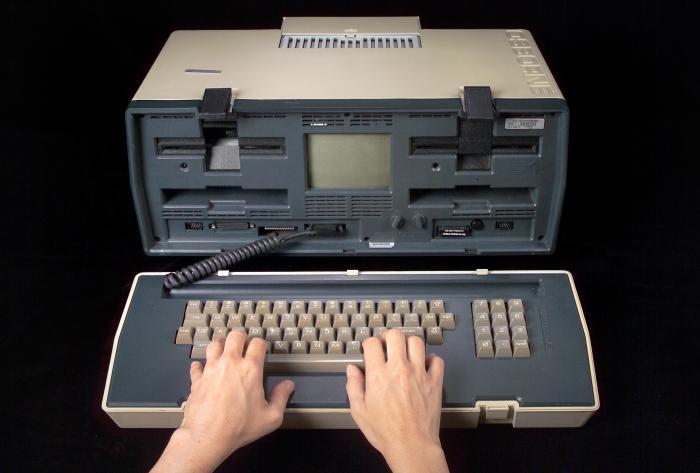
It wasn't a laptop; nobody's lap is that big. But it was a computer that you could actually take around or move. Yes, it weighed 24 pounds, which is a lot compared to modern laptops of three or four pounds that slide easily into a bag. The Osborne was the first computer sold that made many people think seriously about portability.
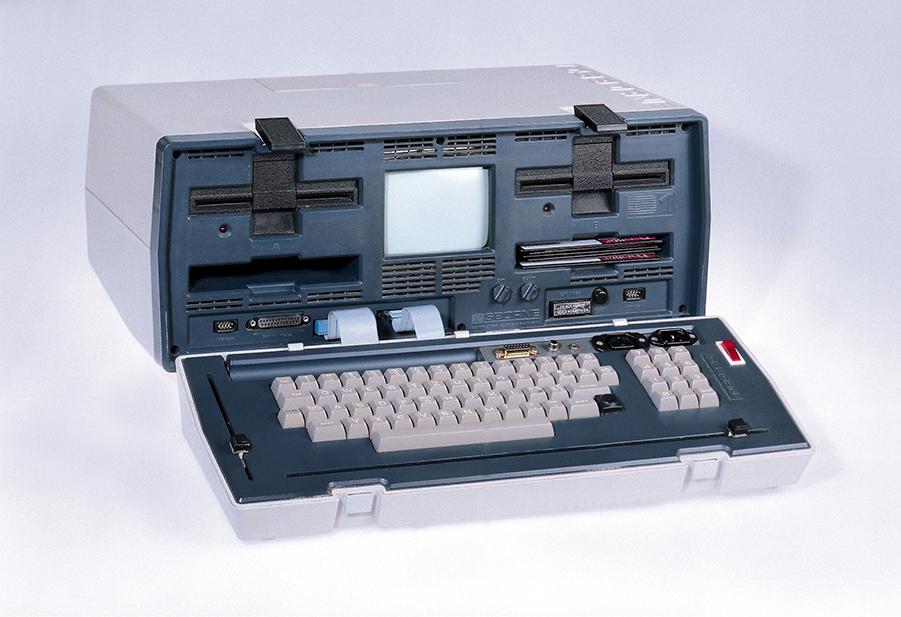
Looking back at photos of it, it's tempting to make jokes and lump it in with something like the Commodore VIC-20 sold at Radio Shack. To the modern eye, it looks more like a primitive 1960s heart monitor or an American Tourister suitcase than a computer. But we're here to praise the Osborne 1, not to roast it.
The keyboard folding into the case was an innovation that lasted. But there was only so much they could do with the late 1970s technology. The 5-inch green monochrome CRT display was all that could practically fit; let's remember that everybody's TV was a clunky cathode ray box at the time. There was no battery because operating a computer on the move was still a pipe dream.
There wasn't even a storage hard drive inside, just 64 KB of RAM and two 5.25-inch floppy drives. That says way more about hardware in that era than any goofs from the Osborne Computer Corporation.
My Osborne Story
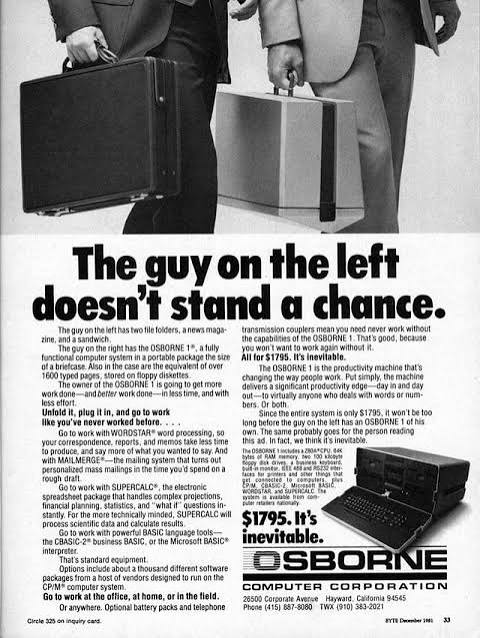 I actually had one as a kid or at least had access to one. My dad was in advertising and did marketing/consultation with Osborne about this new computer. The fact that they were working with a freelancer like my dad (though he had worked for prestigious ad agencies) instead of a large advertising firm spoke volumes about their overall budget.
This wasn't exactly Texas Instruments that was rolling out the Osborne 1.
I actually had one as a kid or at least had access to one. My dad was in advertising and did marketing/consultation with Osborne about this new computer. The fact that they were working with a freelancer like my dad (though he had worked for prestigious ad agencies) instead of a large advertising firm spoke volumes about their overall budget.
This wasn't exactly Texas Instruments that was rolling out the Osborne 1. I was a young kid, and my home technology was more like playing Missile Command or Breakout on Atari hardwired to our TV or handheld Mattel Football in the rear-facing back seat of a station wagon. That said, this was experimental, and I did have a bit of an affinity for new technology more than my parents. Yet even as I was the most likely person to use it in the house, I don't remember doing it all that often.
The Legacy
In the end, the limitations of what somebody could actually do on an Osborne, plus computers still being for businesses and not the home in 1981, all doomed the Osborne. Additionally, the company didn't have deep pockets and couldn't stick it out. This wasn't a giant like IBM rolling out an experimental product and throwing massive amounts of engineering and marketing dollars at it. The Osborne company was a scrappy insurgent that was a little ahead of its time.
Also, they fell into the trap of having to announce future products, which indirectly caused lots of customers to delay purchasing while waiting for newer models. Inventory slowed and the company wasn't big enough to withstand those kinds of struggles. As it turned out, they succeeded so quickly they hurt themselves - their own innovation made customers wait.
Their vision was ultimately correct, though. They helped create portable computing. They shipped with software like WordStar and BASIC which was a bonus for consumers when these applications were sold elsewhere. They defined a market for salespeople, consultants and executives who needed to bring a computer to a meeting - not just the hobbyist market.
And predominantly, they got more people thinking "What if your computer could go where you go?"
Meanwhile, Osborne's checks to my dad all cleared until they had to shut it down. My first real computer at home (and at school) came in the form of the Apple IIe. Computers gradually found their way into all of our lives, but true laptops wouldn't arrive for at least another 10 years.